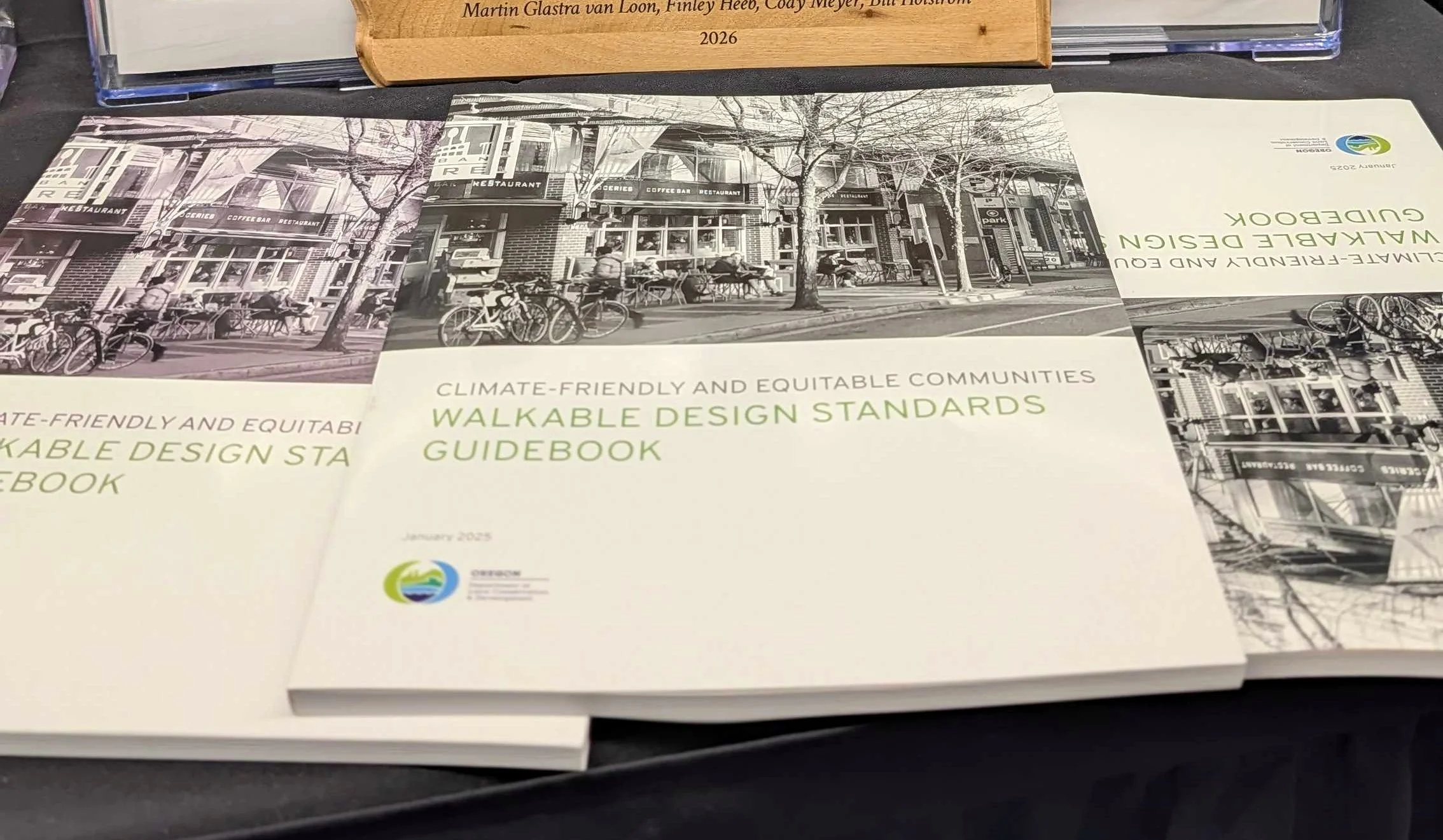
Award-winning work. In the News, Zoning + Code Reform Dacie Doucette 10/9/26 In the News, Zoning + Code Reform Dacie Doucette 10/9/26 Yachats Housing Code Read More
In the News, Zoning + Code Reform Dacie Doucette 10/9/26 In the News, Zoning + Code Reform Dacie Doucette 10/9/26 Yachats Housing Code Read More
Spatial Planning + PlacemakingConceptual planning, test-fits, streetscapes, and master plans that make places walkable, vibrant, and inclusive — with the design and economic analysis to show they can actually be built. LEARN MORE →
Visioning + Long-Range PlanningComprehensive and general plans that frame alternative futures, surface trade-offs, and set a direction the community owns — not one it inherits from a process it didn’t trust. LEARN MORE →
Urban Analytics + Scenario PlanningGrowth modeling, fiscal impact analysis, and policy evaluation that let communities test alternative futures before committing — decisions made with eyes open to uncertainty, not in spite of it. LEARN MORE →
Real Estate + FeasibilitySite feasibility, pro forma, public-private partnership structuring, and development strategy for public-sector clients navigating the gap between what a place could be and what the market will currently support. LEARN MORE →
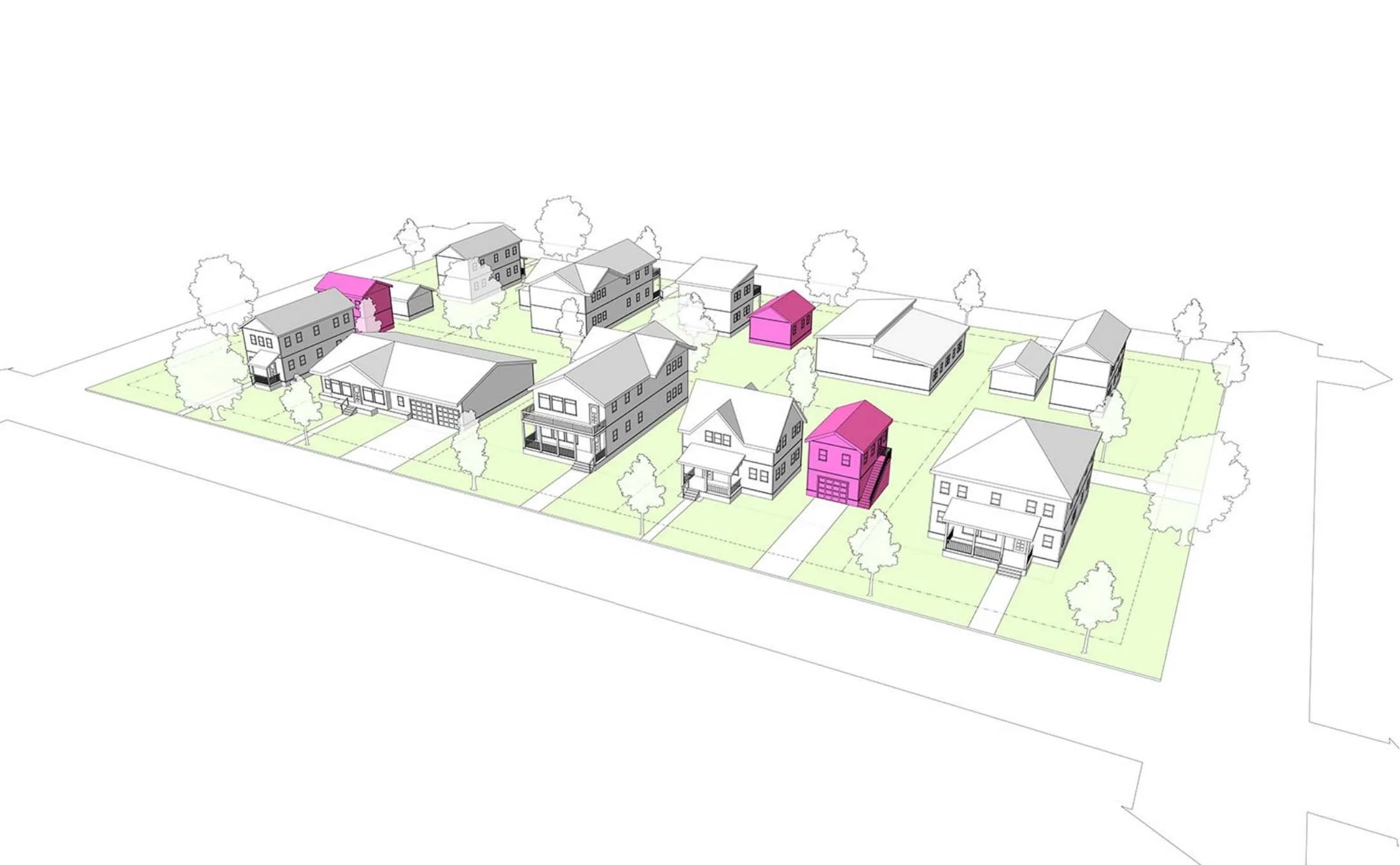
Zoning Code ReformCode audits, zoning updates, form-based codes, and design standards written for adoption and legal review — not just policy aspiration. Pro-forma-driven analysis that tests whether new standards produce the outcomes they promise. LEARN MORE →
Housing PolicyHousing needs analyses, production strategies, and middle-housing policy calibrated to local markets and state statutory requirements — so plans produce housing, not just goals. LEARN MORE →
Environment + SustainabilityUrban forestry, parks and open space planning, climate action, and environmental equity analysis — treated as a land use problem alongside core planning practice, not as a separate sustainability track. LEARN MORE →
1. Road-Tested FuturesWe structure work around alternative futures rather than a single recommended path, stress-testing strategies against market, regulatory, and political conditions before clients commit. Scenario planning, feasibility analysis, and housing needs assessments form the analytic foundation — so decisions get made with eyes open to uncertainty, not in spite of it.
2. Visually Striking StorytellingSophisticated analysis is only useful if non-technical audiences can engage with it. We translate quantitative findings, policy choices, and design ideas into plain-language narratives, diagrams, and renderings that a council member, a property owner, or a neighbor can see, debate, and act on — without simplifying the substance underneath.
3. Hands-On, Equitable EngagementQuality process creates quality outcomes. We engage authentically, not transactionally — designing processes that meet people where they are, in their language, their venue, their schedule, so communities feel genuinely heard, not simply consulted. We integrate that input with the technical work it’s meant to inform, to create outcomes shaped by the community.
4. Place-Based DesignsTwo convictions drive our practice: a plan only matters if it can be acted on, and planning works best when it’s grounded in a real place. Every plan, policy, and analysis we produce is anchored to specific places — drawing on local form, history, and patterns of use so ideas can be visualized, debated, refined, and built. Grounding the work spatially is what makes spatial planning more than a label.
5. Market-Feasible StrategiesA plan is only as good as its adoption rate. We are clear-eyed about the financial, regulatory, and political obstacles to realizing equity and sustainability, and we build those conditions into the work from the start — pro forma stress-tests, code drafts written for legal review, strategies calibrated to what the market will actually support and build.