
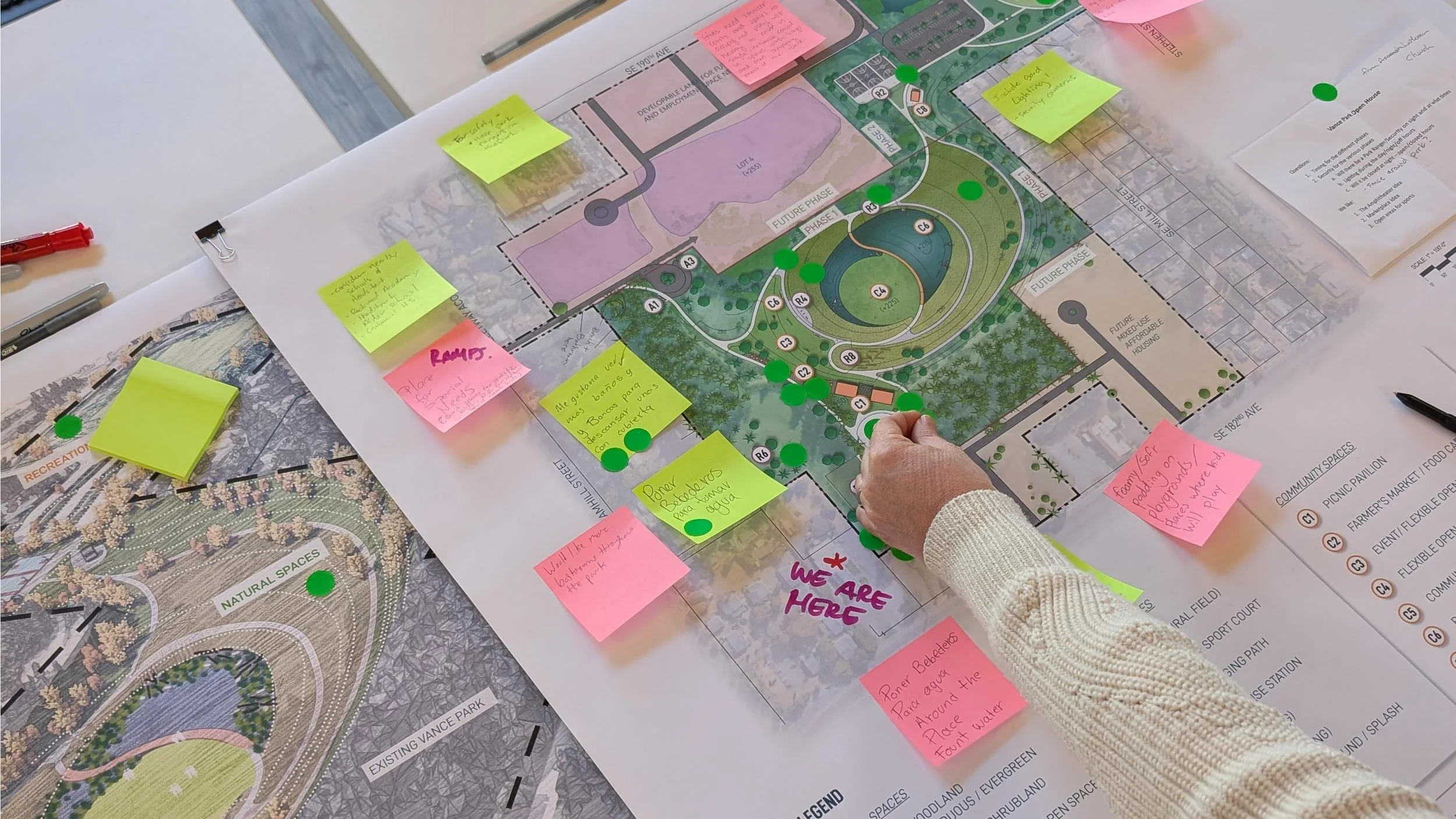
Projects
From vision to action.

Yuba City Housing Supply and Affordability Zoning Code Audit
Cascadia Partners tested middle housing in all seven of Yuba City's residential and commercial zones and showed which standards block affordable homes.

Confluence Development Solicitation Assistance
Cascadia Partners ran Troutdale's developer solicitation for the Confluence site, which led the City to select Capstone Partners as master developer.

SACOG Regional Build-Out Analysis
Cascadia Partners mapped regulatory and market-feasible housing capacity across all 28 jurisdictions in the Sacramento region for SACOG's 2025 Metropolitan Transportation Plan and Sustainable Communities Strategy.
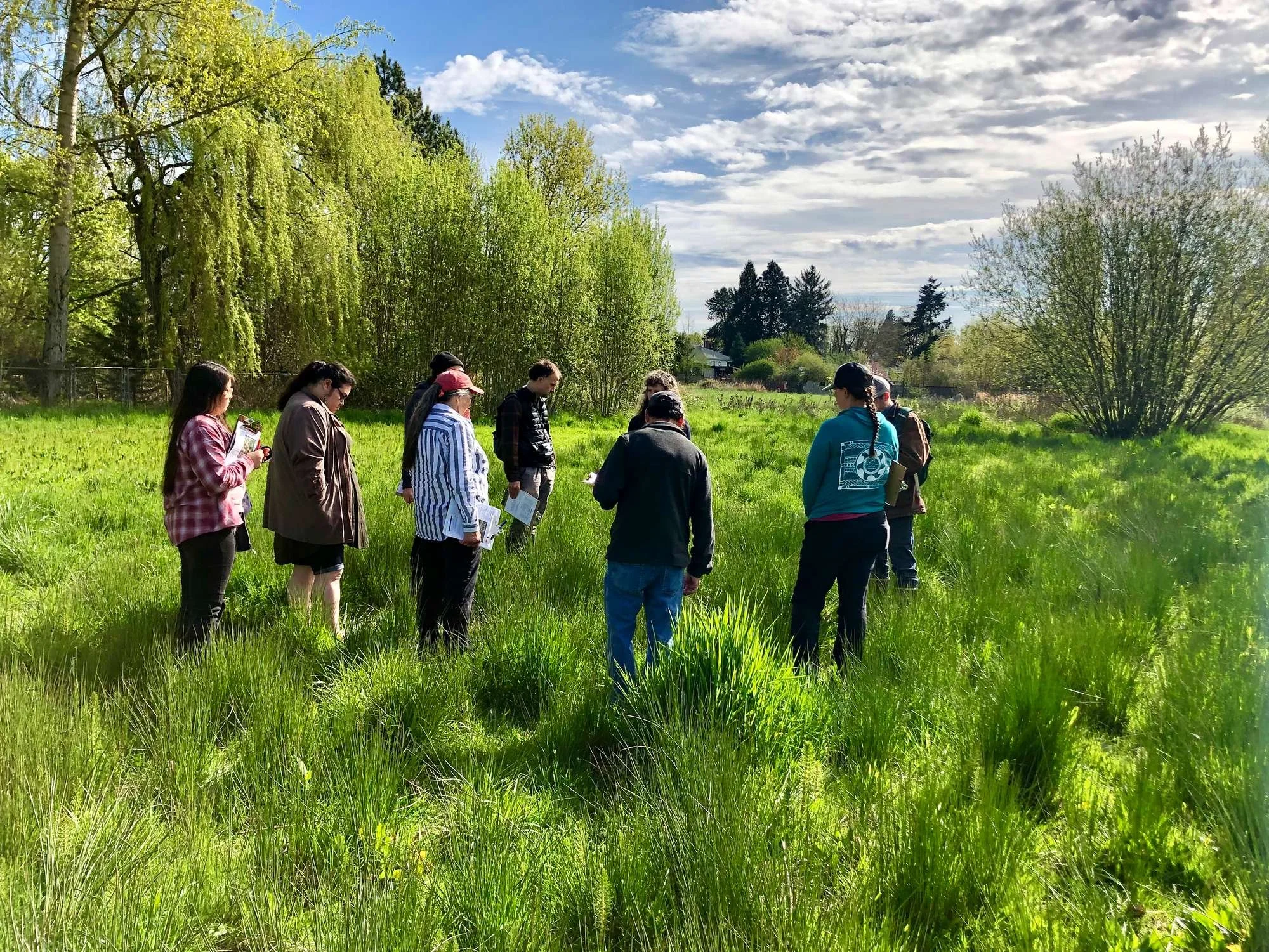
Portland Equitable Mitigation Banking Study
Cascadia Partners measured who gains and who bears the cost of mitigation banking, the first such program to build in equity from the start.

Walnut Park Redevelopment Feasibility Study, Phase 2
Cascadia Partners shaped a redevelopment concept for Multnomah County's Walnut Park that keeps its health and social services and adds affordable housing.

Multnomah County Drainage District Community Engagement Strategy
Cascadia Partners built the Drainage District's engagement strategy and interviewed 18 community organizations on its new cultural history mandate.

Lincoln Downtown Code Audit
Cascadia Partners audited downtown Lincoln's zoning with 3D models and pro formas; the findings now anchor the City's Downtown Master Plan.

Fort Collins Land Use Code Modeling and Analysis
Cascadia Partners modeled Fort Collins' new Land Use Code zone by zone; the adopted changes raised zoned housing capacity by 53%.

St. Francis Affordable Housing Development Visioning
Cascadia Partners led the visioning for Catholic Charities' St. Francis site, now Francis + Clare Place, 61 permanent supportive homes that broke ground in 2023.

Metro Expo Center Feasibility Analysis
Cascadia Partners shaped Metro's Expo Center solicitation around community values tied to the site's history, drawing five qualified development proposals.

Main Streets on Halsey Site Readiness and Code Update
Cascadia Partners wrote coordinated corridor code for three cities along Halsey Street; Fairview and Wood Village adopted the updates in 2021.

Beaverton Tree Code Audit
Cascadia Partners audited Beaverton's tree code against its climate, equity, and housing goals and set out a phased path to amendments.
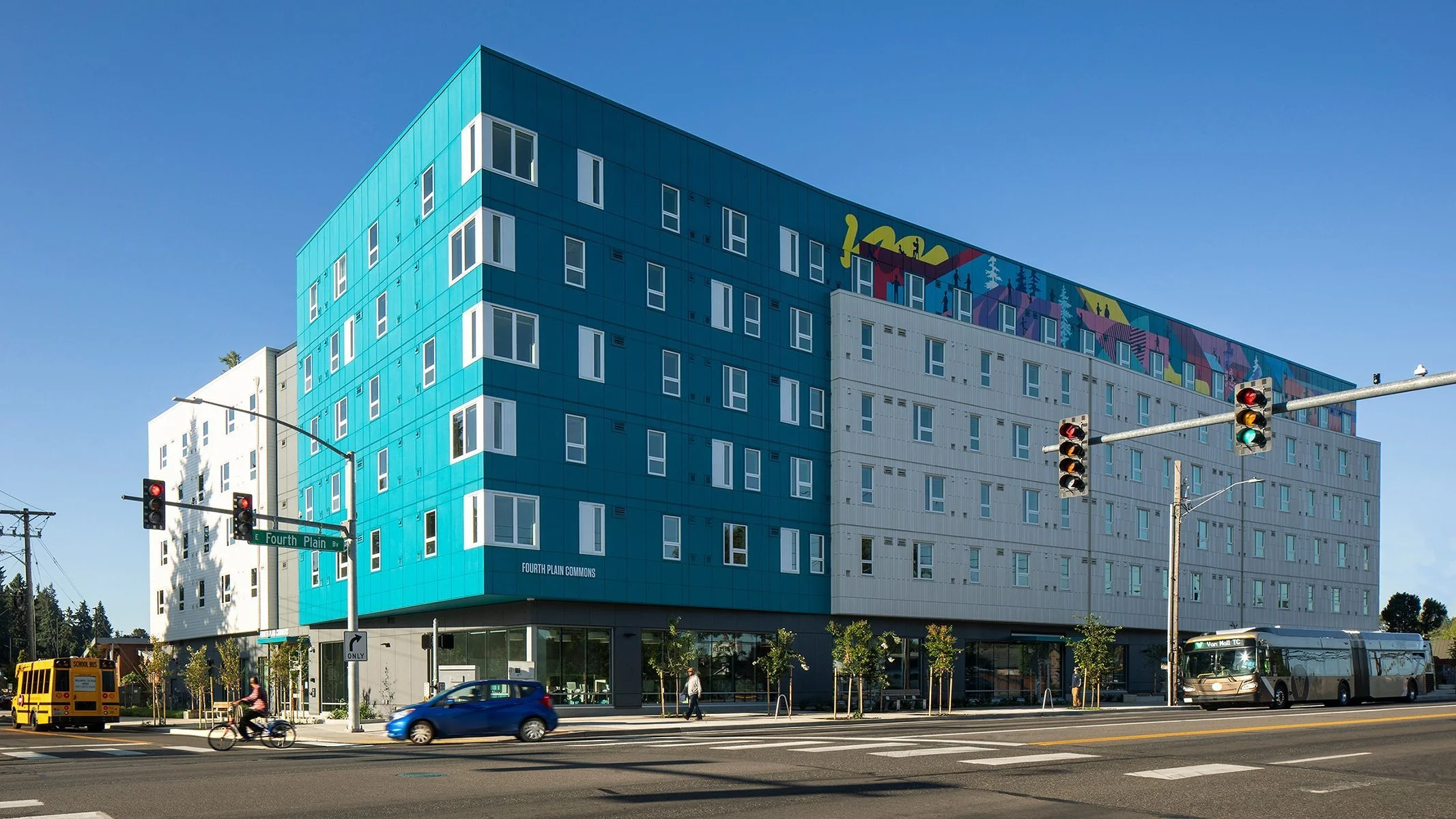
Fourth Plain Commons Feasibility Study
Cascadia Partners tested whether Fourth Plain Commons' kitchen incubator, nonprofit offices and event space could pay their way, and built the operating model.

Climate Smart San José Natural and Working Lands Element
Cascadia Partners mapped how land use change on natural and working lands shifts San José's emissions, for the City's Climate Smart plan update.

San Joaquin Council of Governments 2022 Regional Transportation Plan Scenarios
Cascadia Partners led the scenario planning behind San Joaquin's 2022 regional transportation plan, whose adopted land use map grew from the preferred scenario.
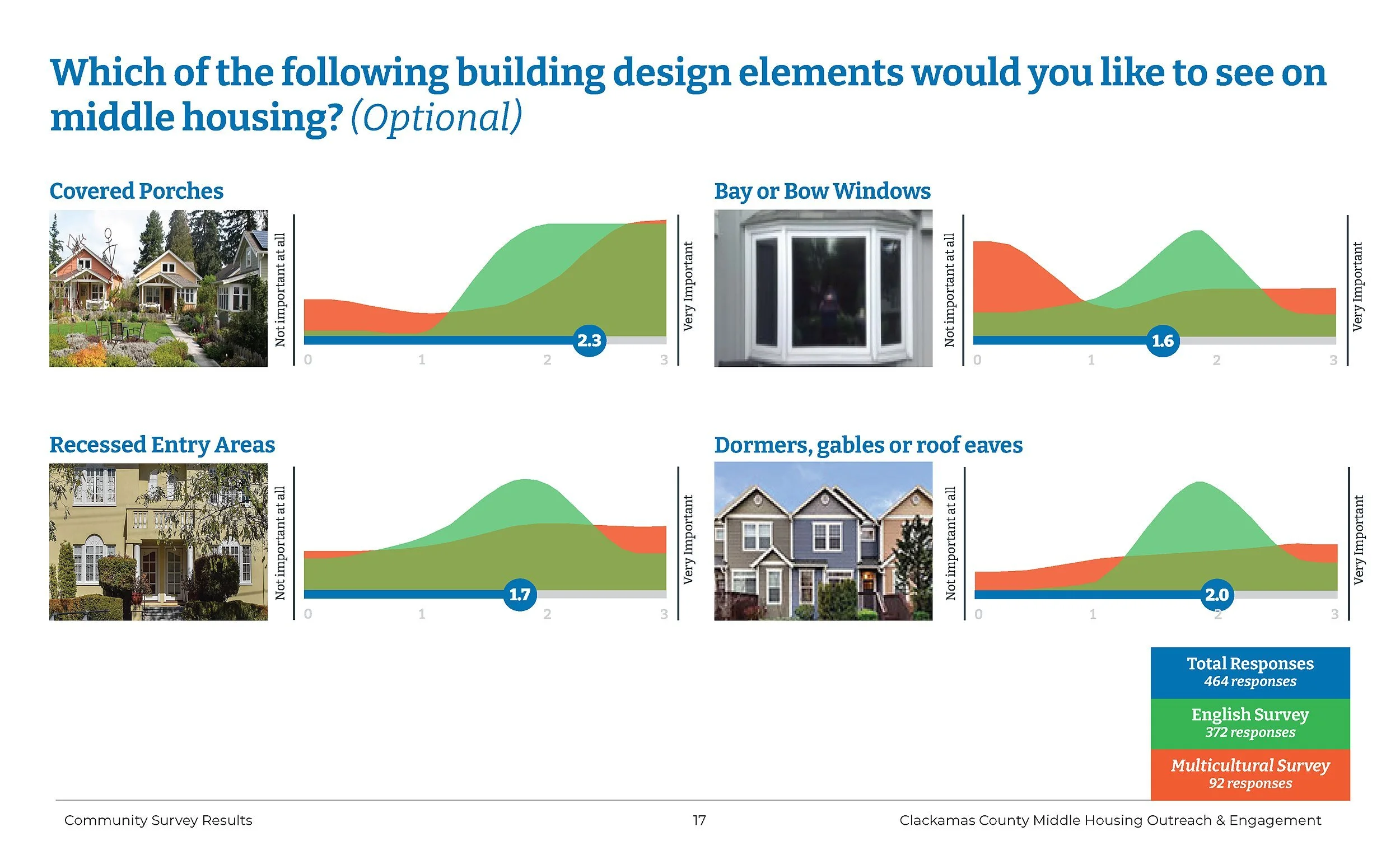
Clackamas County Middle Housing Public Outreach and Engagement
Cascadia Partners ran Clackamas County's middle housing outreach in six languages, gathering input from more than 500 residents for the code update.

Cottage Cluster Feasibility Analysis
Cascadia Partners tested why Milwaukie's cottage cluster code produced no projects and drafted standards that make cottage clusters feasible on real sites.

Bend Core Area Plan
Cascadia Partners built the feasibility case for Bend's Core Area Plan, tying zoning changes adopted in 2021 to what new mixed-use buildings could pay for land.
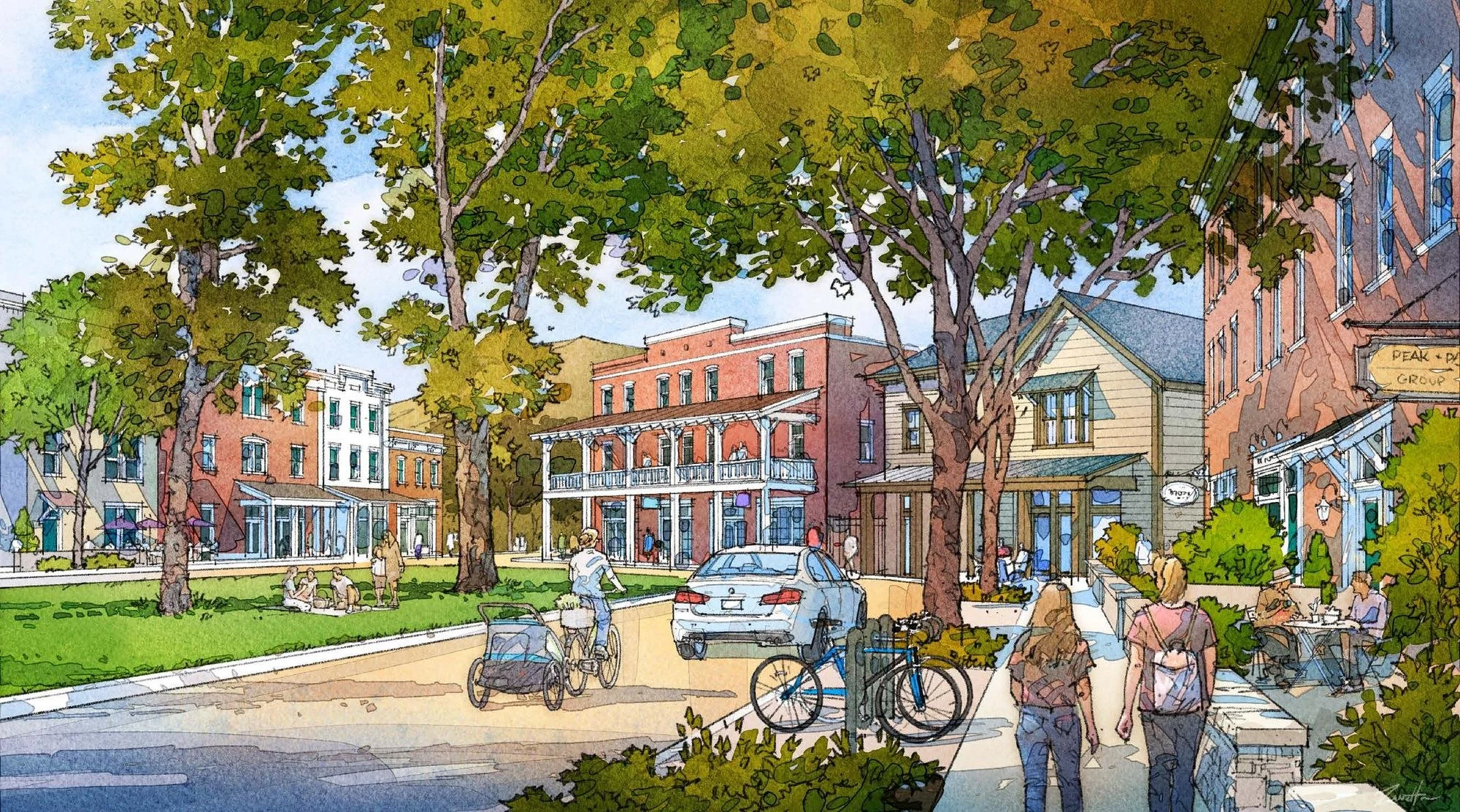
Northern South Park Neighborhood Plan
Cascadia Partners built the scenario and feasibility case for Northern South Park, a plan for up to 1,682 homes, at least 70% permanently deed-restricted.

Clackamas County Parks System Plan
Environment + Sustainability
Building a financially sustainable plan for nearly 1,000 acres of county parks with historically underserved residents.