
Projects
From vision to action.
Oak Harbor Downtown Waterfront Development Strategy
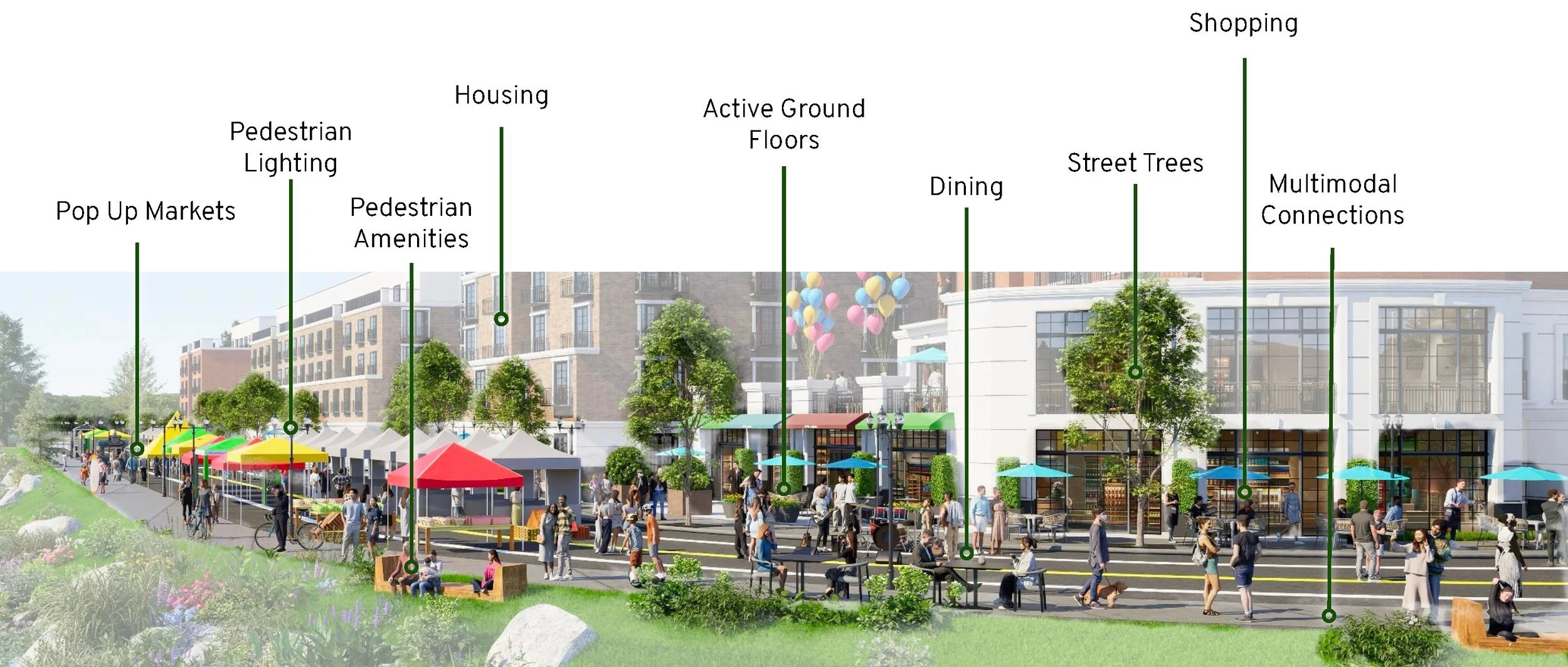
Cascadia Partners tested the market for Oak Harbor's downtown waterfront and its City-owned brownfield, setting up a Downtown Specific Plan.
Bay Area Hospital Surplus Land Feasibility Study
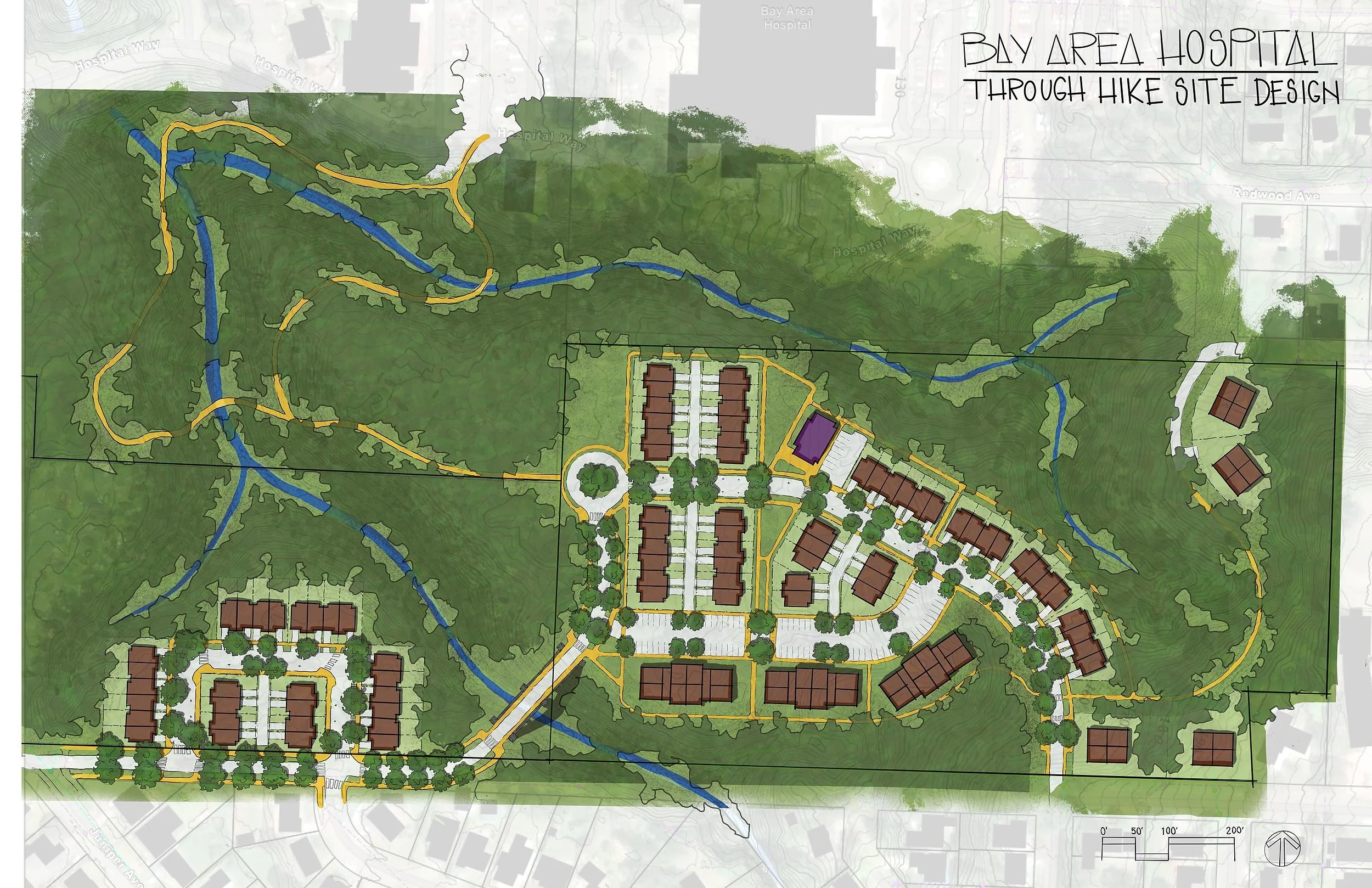
Cascadia Partners designed and tested the Through Hike neighborhood for Bay Area Hospital's 16-acre surplus site in Coos Bay.
Springfield Climate-Friendly Area Market Study
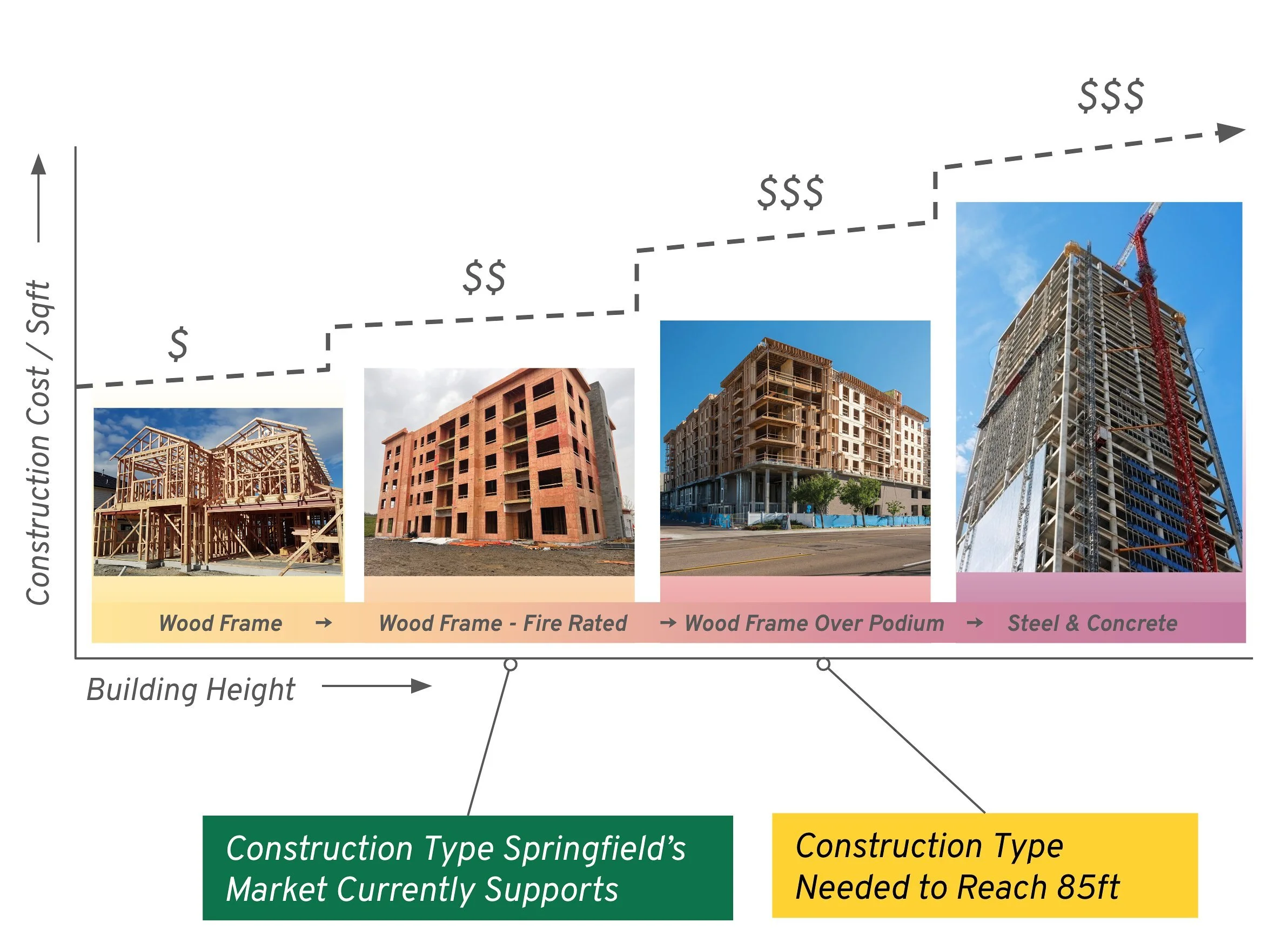
Cascadia Partners tested whether Springfield's proposed climate-friendly areas could actually attract housing, informing the Council's chosen boundaries.
Objective Design Standards Feasibility Analysis
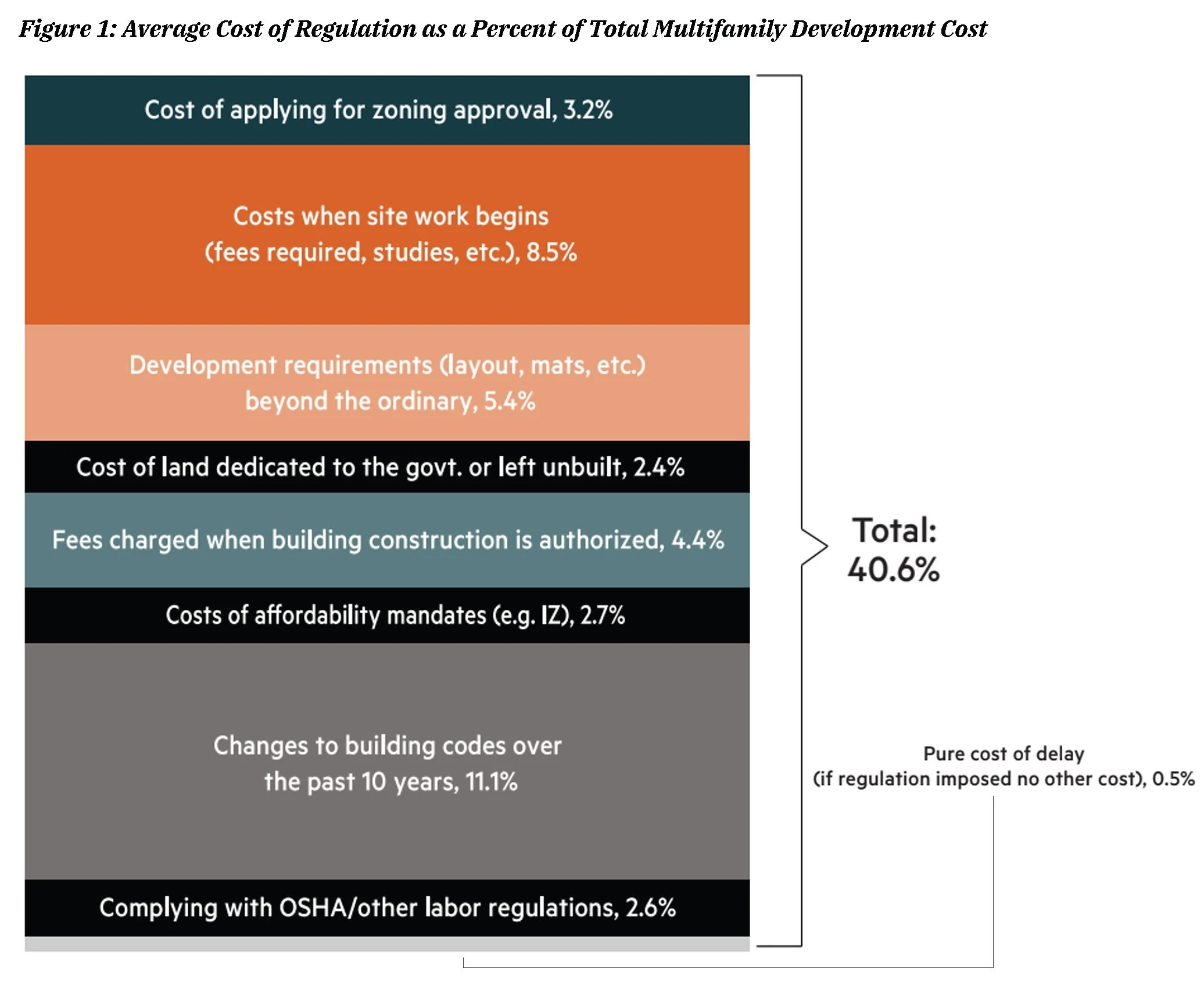
Cascadia Partners priced the design standards in ABAG's Objective Design Standards Handbook, so Bay Area cities can ask for good buildings without blocking housing.
Lincoln Downtown Master Plan
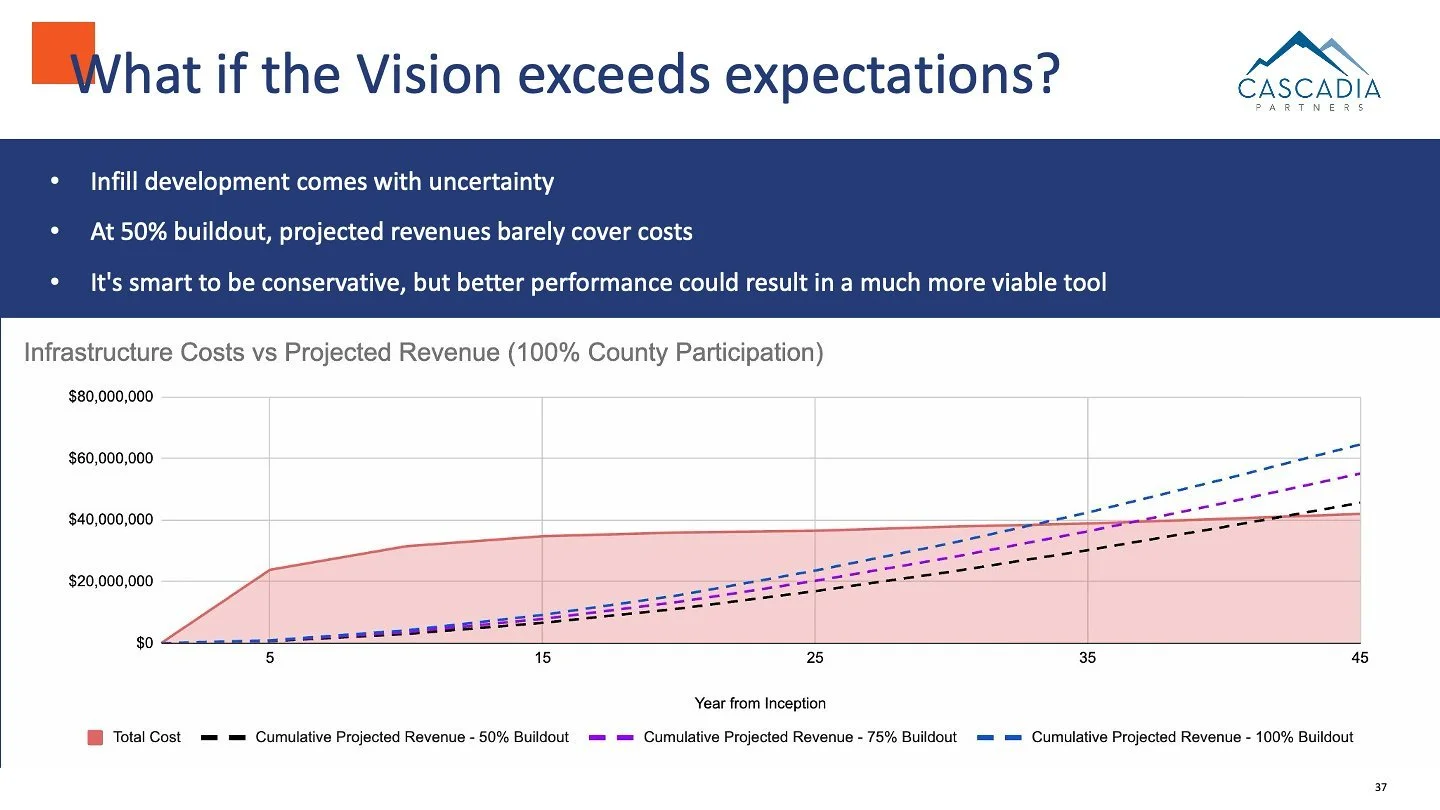
Cascadia Partners modeled how an infrastructure financing district could fund Lincoln's Downtown Master Plan, and showed County participation could more than double it.
Vancouver Evergreen & Grand Mixed Use District Code Update
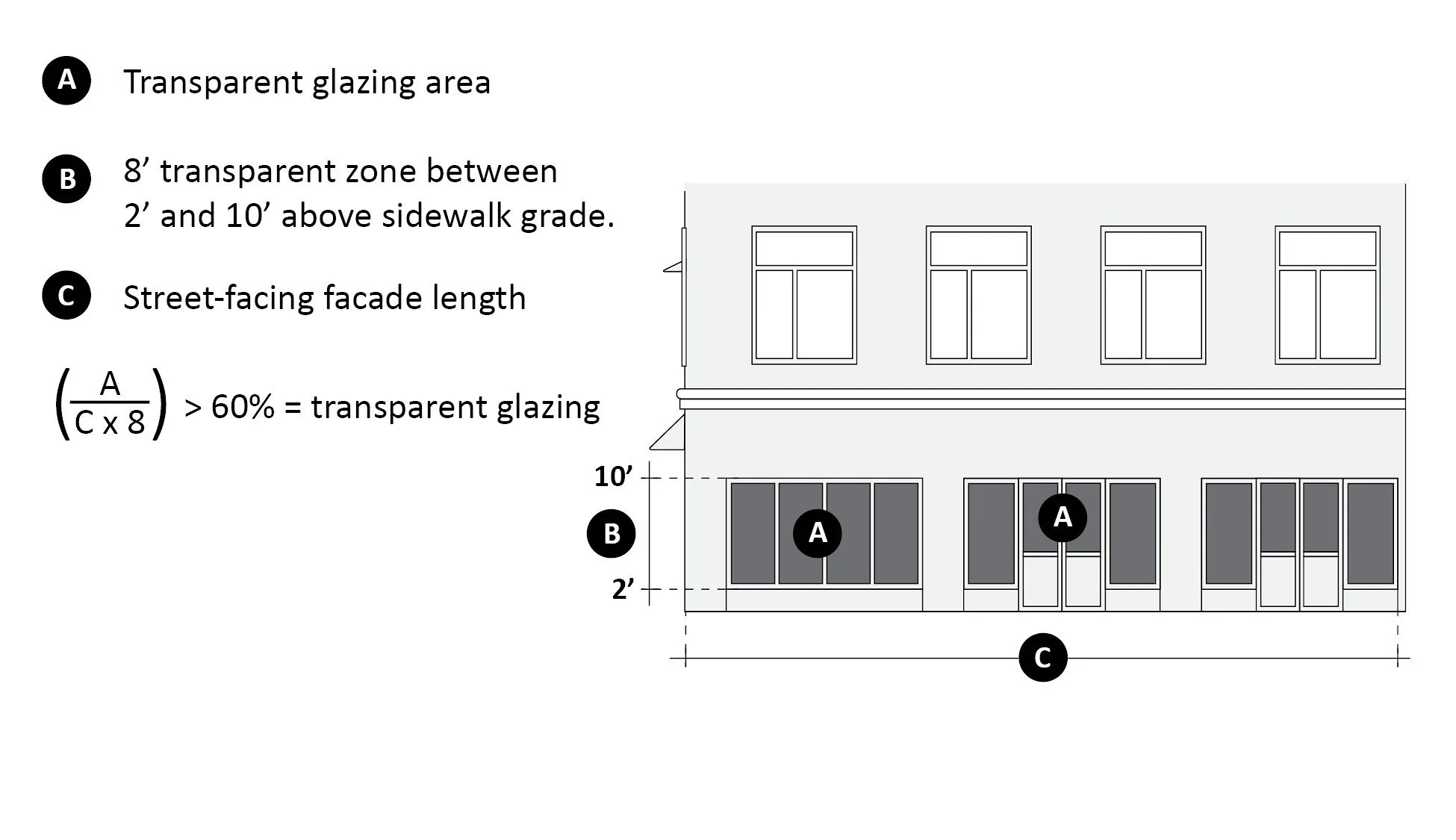
Cascadia Partners wrote Vancouver's Evergreen-Grand Overlay Zone, adopted in 2023 as a model for the City's other commercial corridors.
Talent Railroad District Feasibility Study
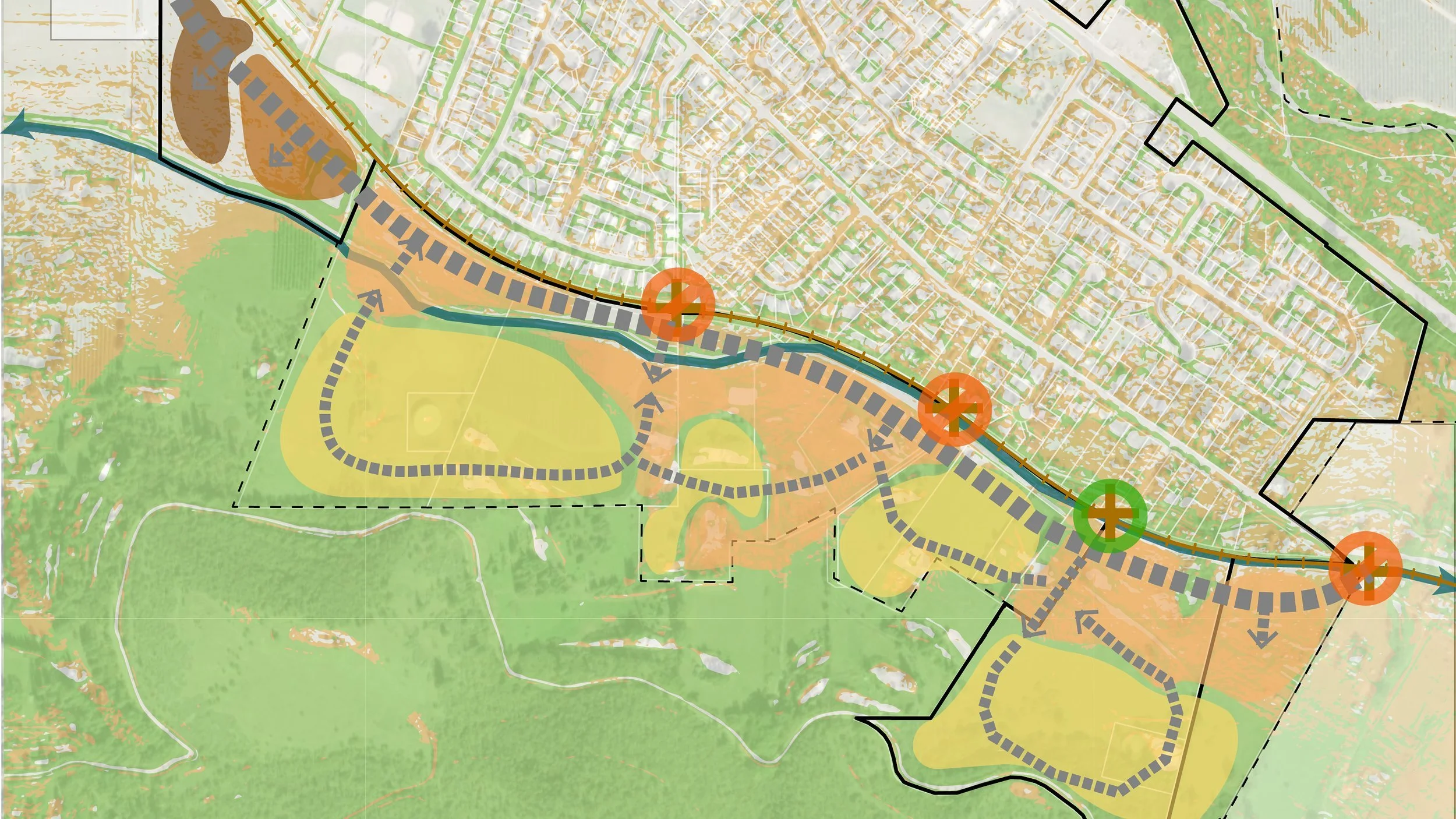
Cascadia Partners tested whether Talent's Railroad District could deliver the housing the city needs, and at what public cost.
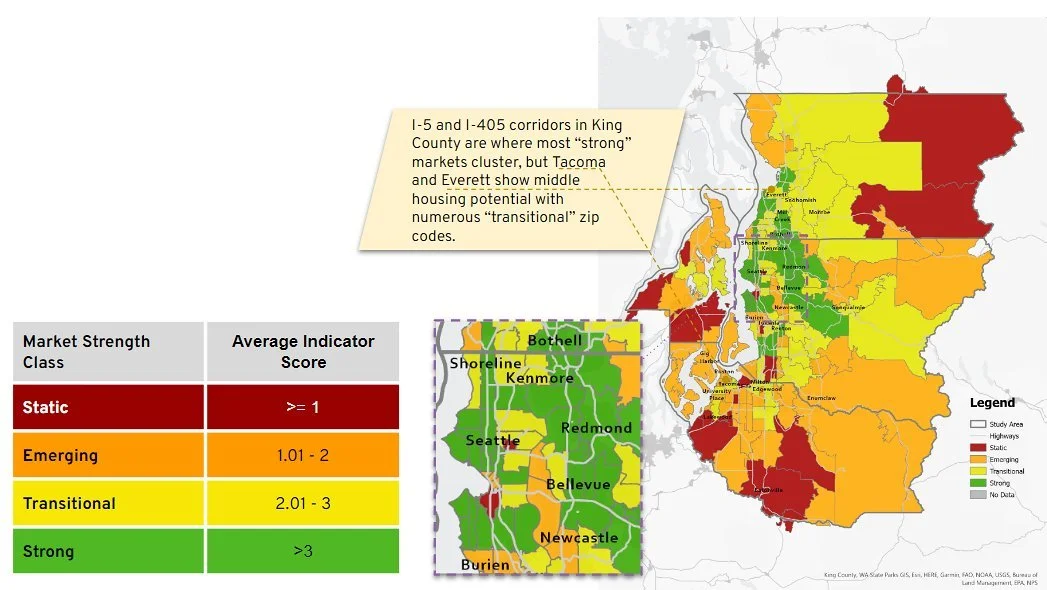
Puget Sound Middle Housing Feasibility Analysis
Cascadia Partners tested eight middle housing types across Puget Sound markets for Washington Commerce, with data scaled to every jurisdiction in the state.
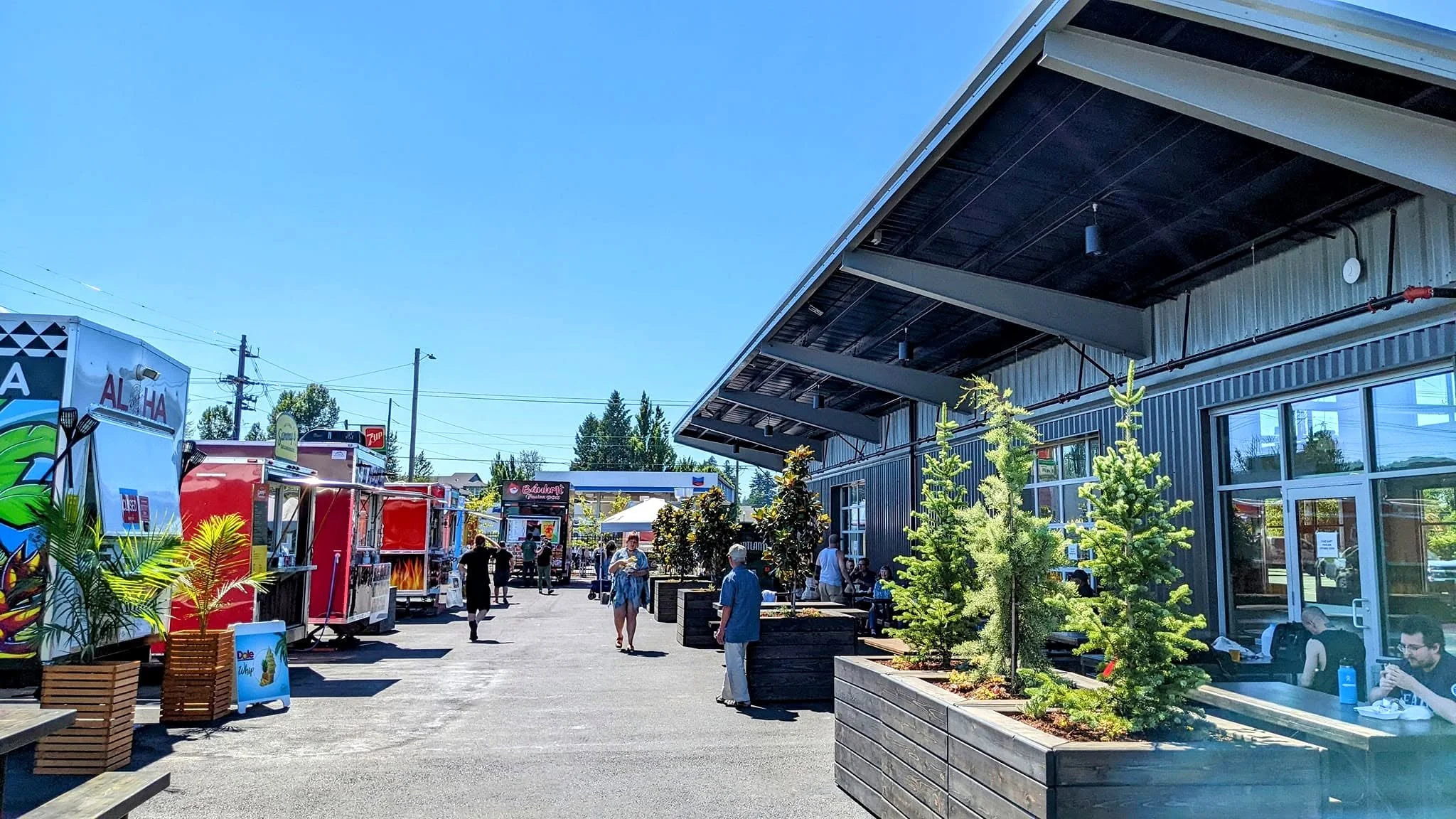
Fairview Food Cart Pod and Fairview Creek Redevelopment Assistance
Cascadia Partners took Fairview's food cart pod from feasibility through operator selection, and the pod was built in 2022.
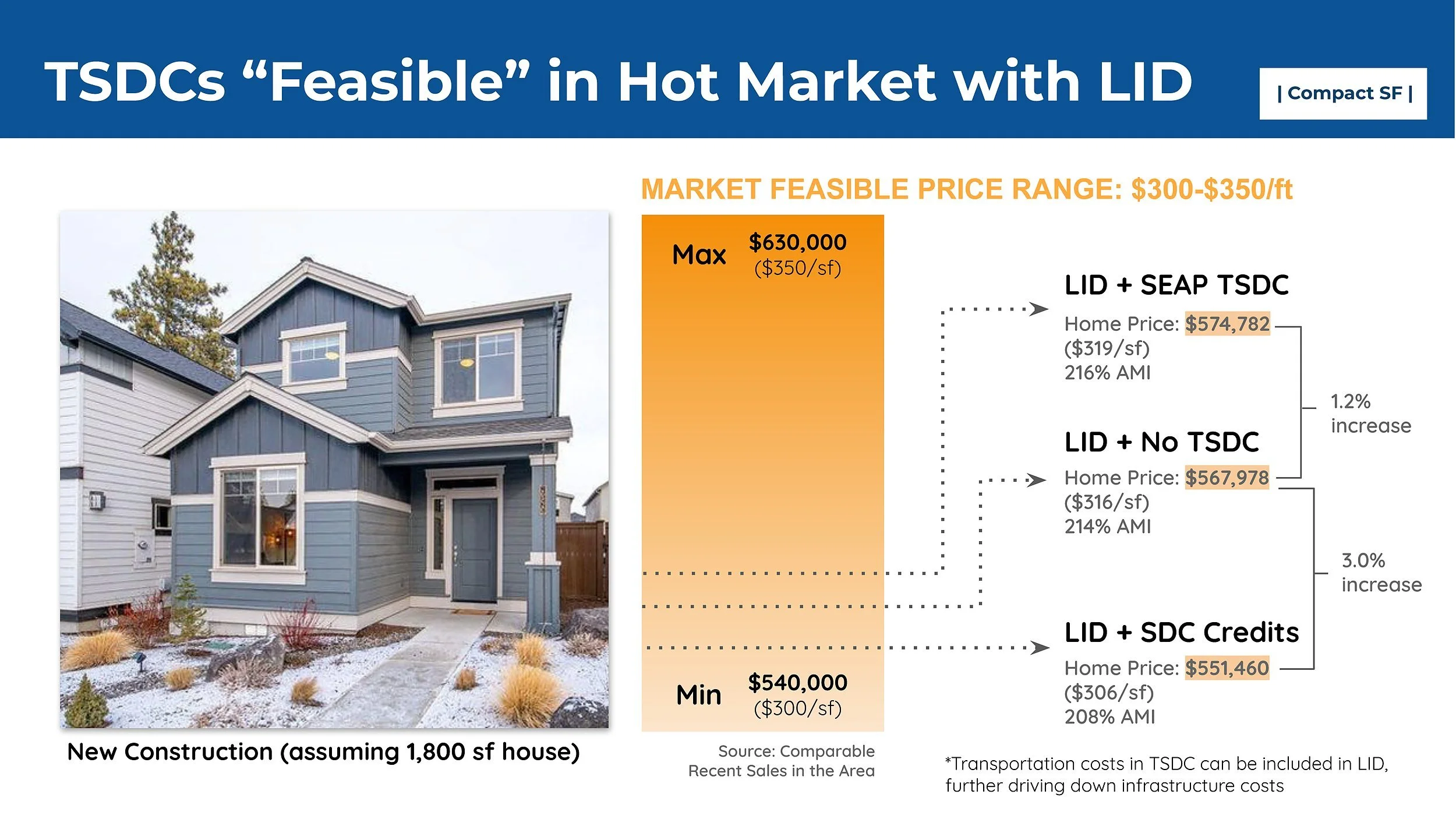
Bend Southeast Area Plan
Cascadia Partners tested how Bend could pay for infrastructure in its Southeast Area without pricing out the housing the plan calls for.
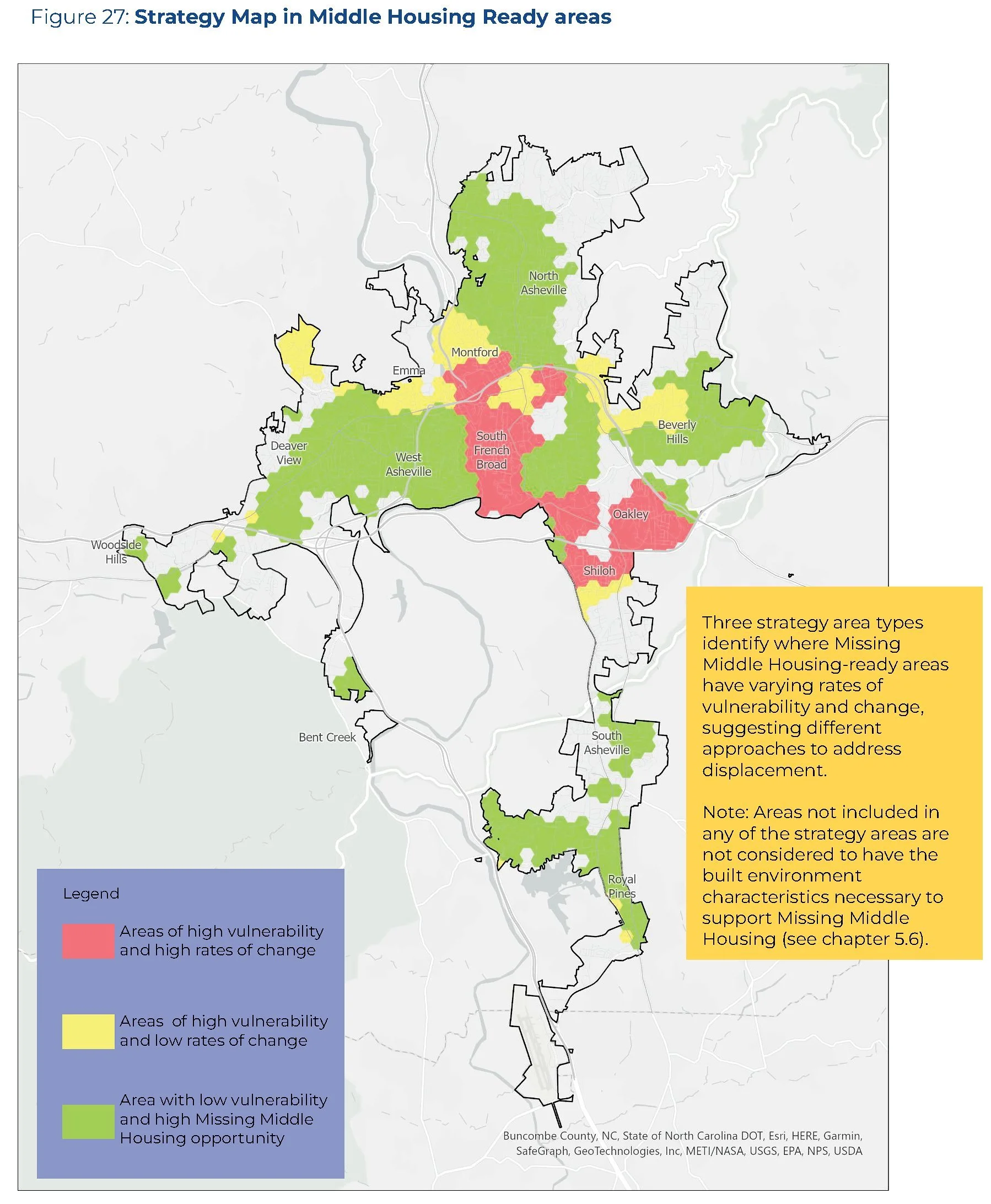
Asheville Missing Middle Housing Initiative
Cascadia Partners showed where middle housing in Asheville can pencil for builders and stay attainable for workers, and where displacement risk calls for protections.

Yuba City Housing Supply and Affordability Zoning Code Audit
Cascadia Partners tested middle housing in all seven of Yuba City's residential and commercial zones and showed which standards block affordable homes.

SACOG Regional Build-Out Analysis
Cascadia Partners mapped regulatory and market-feasible housing capacity across all 28 jurisdictions in the Sacramento region for the Sacramento Area Council of Governments' (SACOG) 2025 Metropolitan Transportation Plan and Sustainable Communities Strategy.

Walnut Park Redevelopment Feasibility Study, Phase 2
Cascadia Partners shaped a redevelopment concept for Multnomah County's Walnut Park that keeps its health and social services and adds affordable housing.

Lincoln Downtown Code Audit
Cascadia Partners audited downtown Lincoln's zoning with 3D models and pro formas; the findings now anchor the City's Downtown Master Plan.

Fort Collins Land Use Code Modeling and Analysis
Cascadia Partners modeled Fort Collins' new Land Use Code zone by zone; the adopted changes raised zoned housing capacity by 53%.

Main Streets on Halsey Site Readiness and Code Update
Cascadia Partners wrote coordinated corridor code for three cities along Halsey Street; Fairview and Wood Village adopted the updates in 2021.
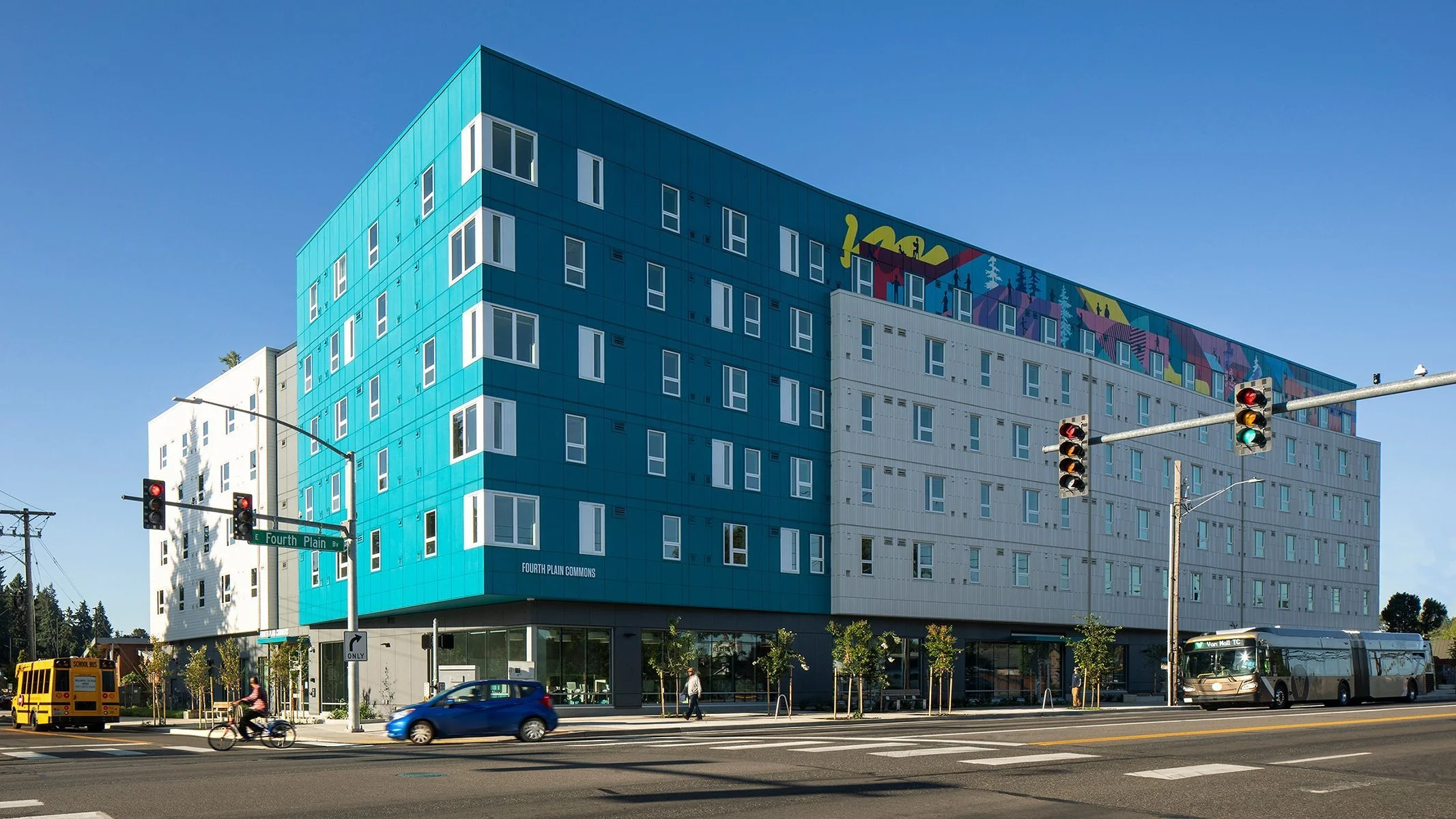
Fourth Plain Commons Feasibility Study
Cascadia Partners tested whether Fourth Plain Commons' kitchen incubator, nonprofit offices and event space could pay their way, and built the operating model.

Cottage Cluster Feasibility Analysis
Cascadia Partners tested why Milwaukie's cottage cluster code produced no projects and drafted standards that make cottage clusters feasible on real sites.

Bend Core Area Plan
Cascadia Partners built the feasibility case for Bend's Core Area Plan, tying zoning changes adopted in 2021 to what new mixed-use buildings could pay for land.