
Projects
From vision to action.
Objective Design Standards Feasibility Analysis
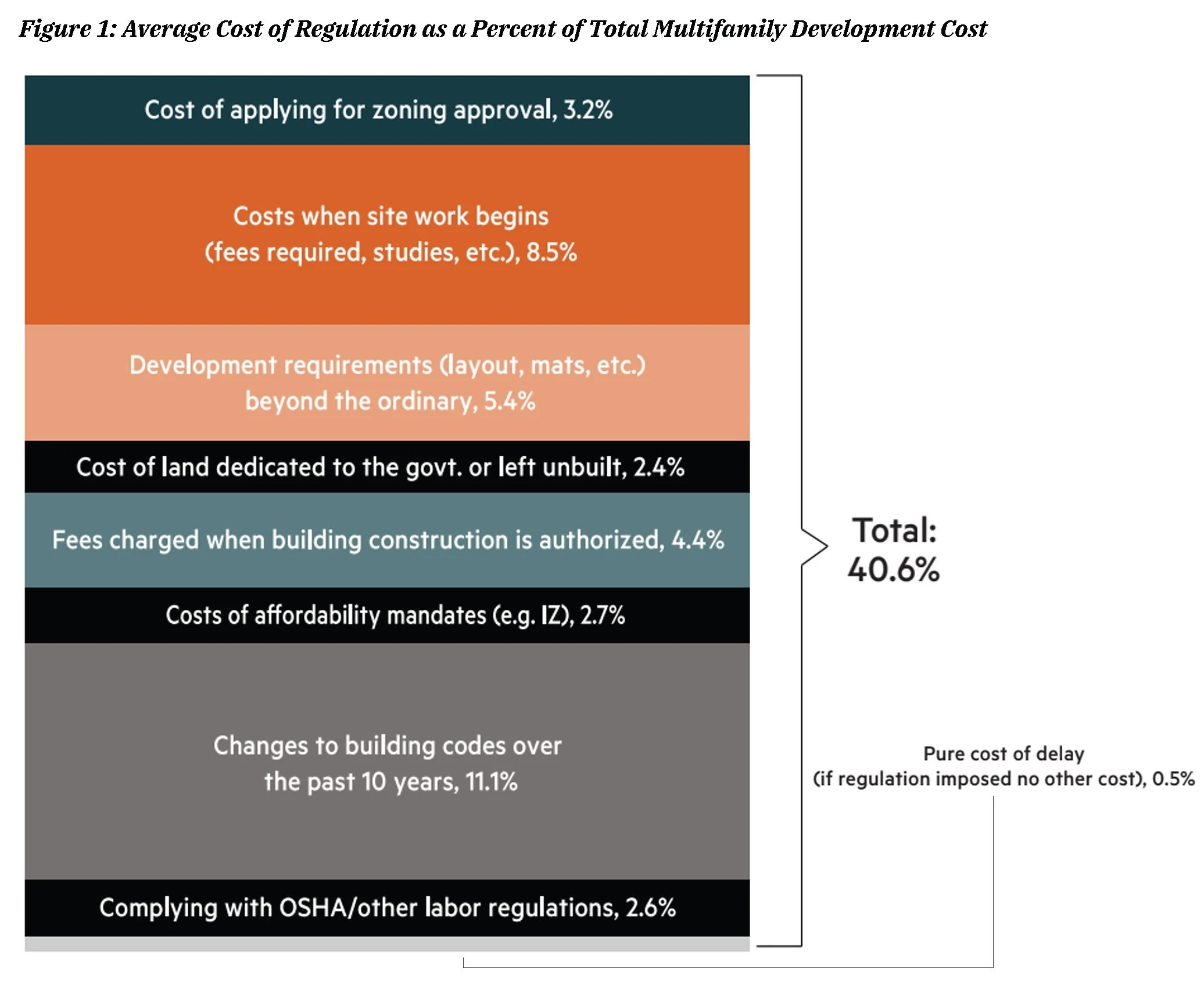
Cascadia Partners priced the design standards in ABAG's Objective Design Standards Handbook, so Bay Area cities can ask for good buildings without blocking housing.
Talent Railroad District Feasibility Study
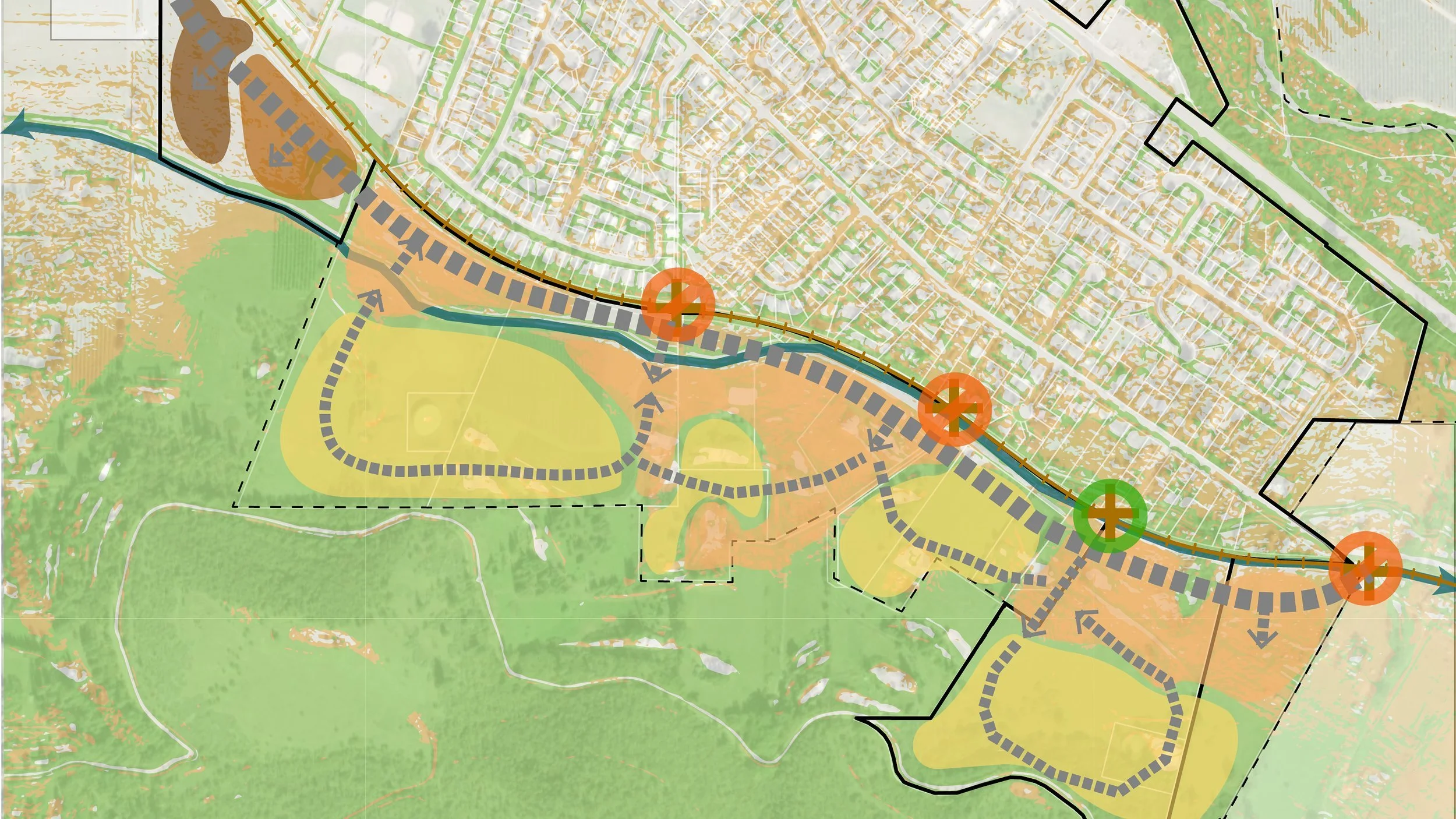
Cascadia Partners tested whether Talent's Railroad District could deliver the housing the city needs, and at what public cost.
Puget Sound Middle Housing Feasibility Analysis
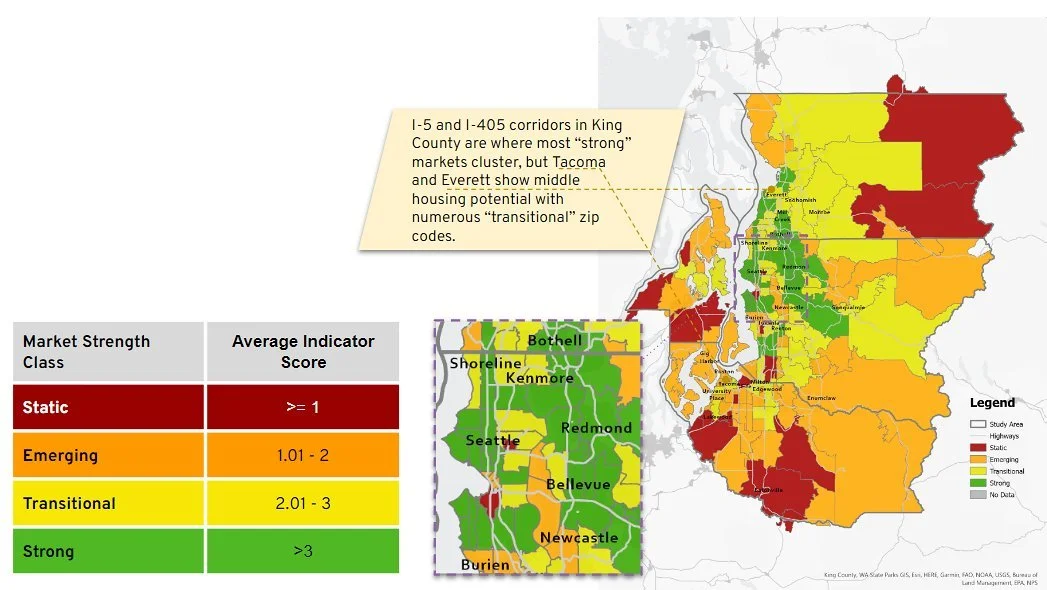
Cascadia Partners tested eight middle housing types across Puget Sound markets for Washington Commerce, with data scaled to every jurisdiction in the state.
Lebanon Housing Production Strategy
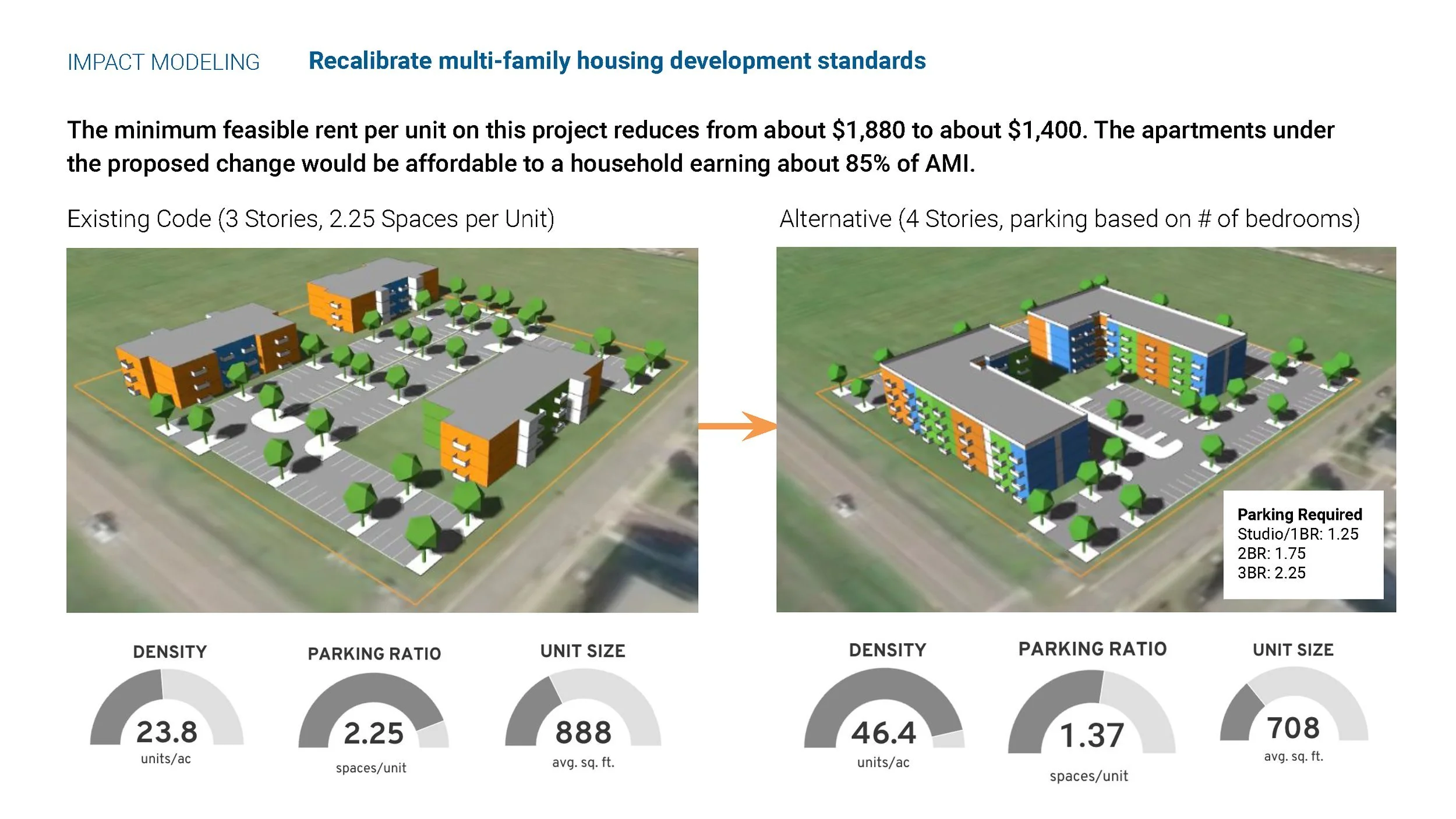
Cascadia Partners wrote Lebanon's Housing Production Strategy: nineteen market-tested actions, adopted in 2023 ahead of the state deadline.
Asheville Missing Middle Housing Initiative
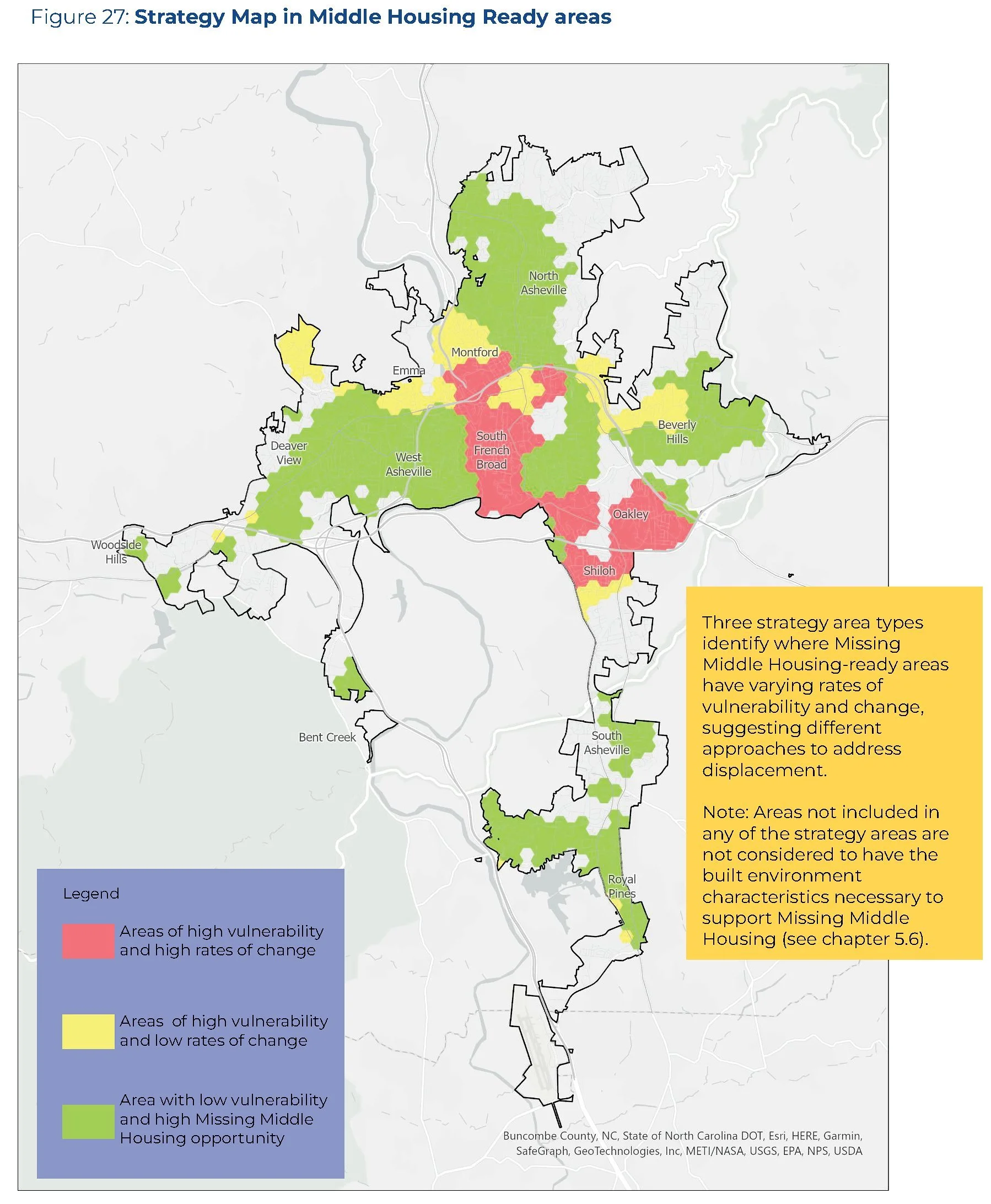
Cascadia Partners showed where middle housing in Asheville can pencil for builders and stay attainable for workers, and where displacement risk calls for protections.

Yuba City Housing Supply and Affordability Zoning Code Audit
Cascadia Partners tested middle housing in all seven of Yuba City's residential and commercial zones and showed which standards block affordable homes.

SACOG Regional Build-Out Analysis
Cascadia Partners mapped regulatory and market-feasible housing capacity across all 28 jurisdictions in the Sacramento region for SACOG's 2025 Metropolitan Transportation Plan and Sustainable Communities Strategy.

Lincoln Downtown Code Audit
Cascadia Partners audited downtown Lincoln's zoning with 3D models and pro formas; the findings now anchor the City's Downtown Master Plan.

Fort Collins Land Use Code Modeling and Analysis
Cascadia Partners modeled Fort Collins' new Land Use Code zone by zone; the adopted changes raised zoned housing capacity by 53%.
Clackamas County Middle Housing Public Outreach and Engagement
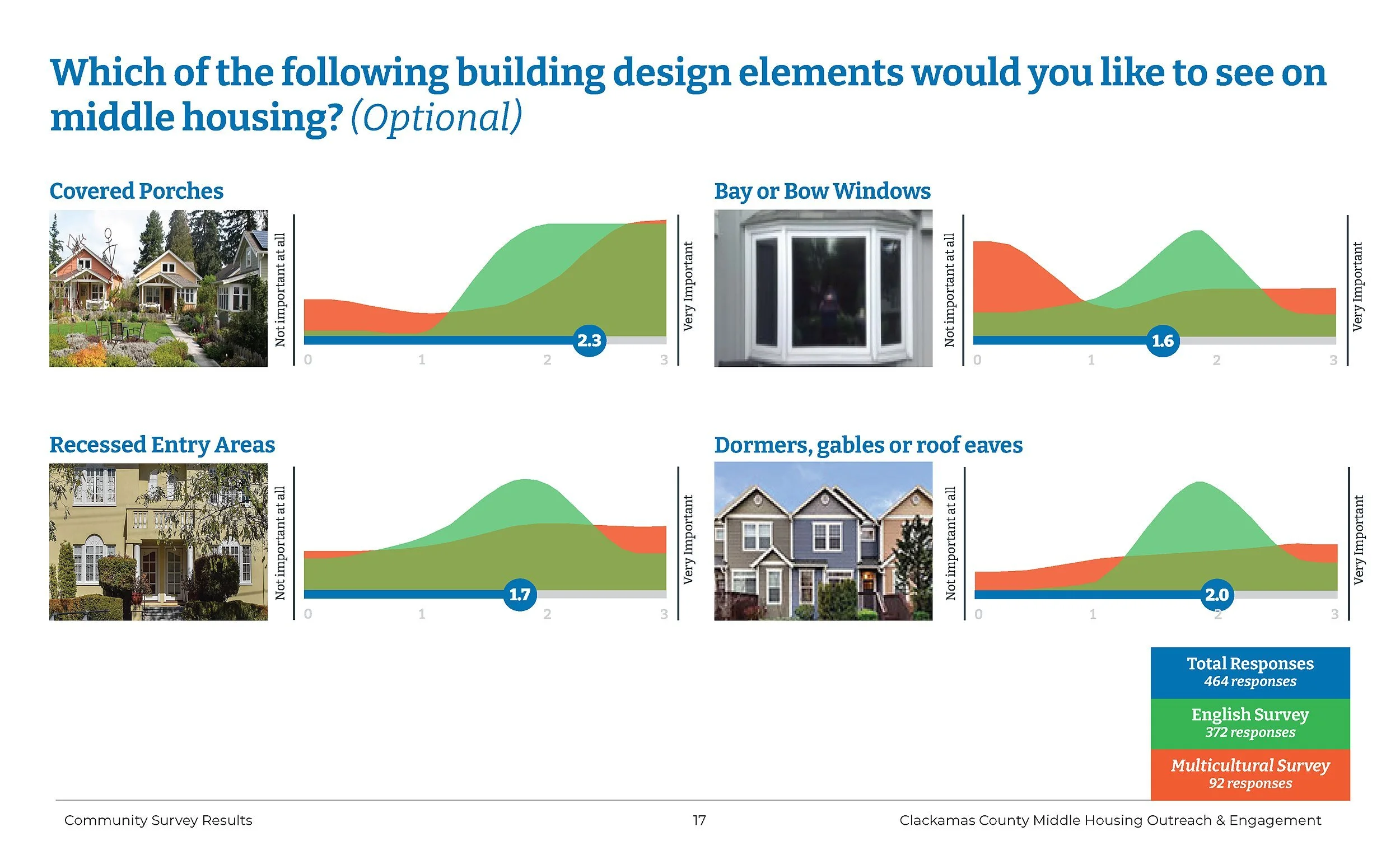
Cascadia Partners ran Clackamas County's middle housing outreach in six languages, gathering input from more than 500 residents for the code update.

Cottage Cluster Feasibility Analysis
Cascadia Partners tested why Milwaukie's cottage cluster code produced no projects and drafted standards that make cottage clusters feasible on real sites.

Columbus Zoning Code + Map Update
Urban Analytics + Scenario Planning
Housing capacity and feasibility modeling supported the Zone In code overhaul that Columbus City Council approved unanimously in 2024.

Missoula Unified Development Code
Zoning + Code Reform
Engagement and an equity audit supported Missoula's Unified Development Code, adopted unanimously in 2026 with no parking minimums.

Incremental Housing Infrastructure Impacts Study
Housing Policy
Cascadia Partners tested whether middle housing overloads neighborhood sewers, with case studies in four cities and an illustrated research brief.

Portland Residential Infill Project Analysis
Cascadia Partners measured what Portland's Residential Infill Project built: 73% of new units in its first year were middle housing. The reports won a 2026 OAPA award.
Sacramento Missing Middle Housing Feasibility, Affordability & Equity
Urban Analytics + Scenario Planning
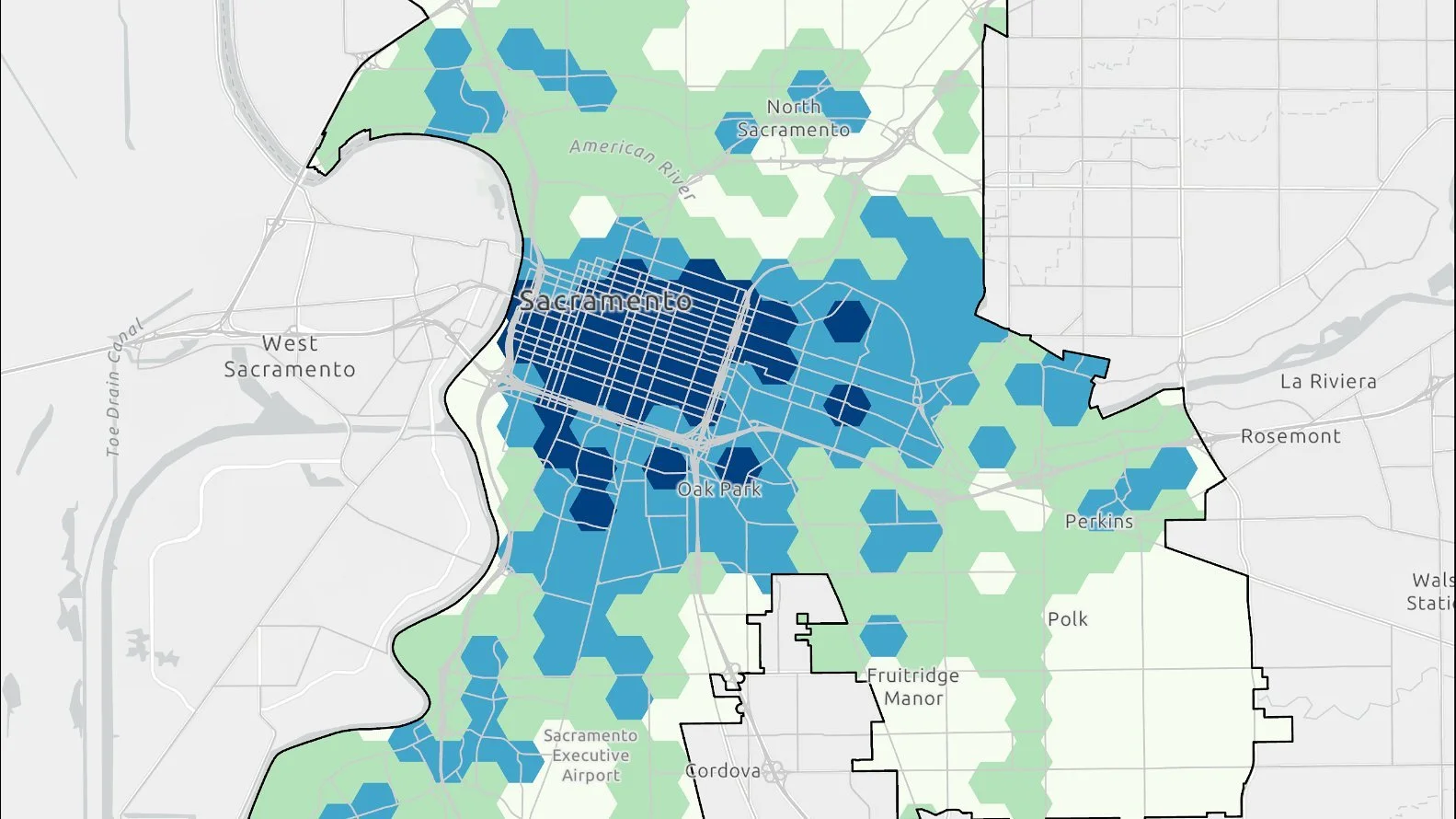
Parcel-by-parcel modeling showed where middle housing would be feasible in Sacramento, supporting the code changes the City adopted.

"Bend Made" Growth Plan
Visioning + Long-Range Planning
Building one Growth Plan from eight state-required plans, written with the people of Bend.
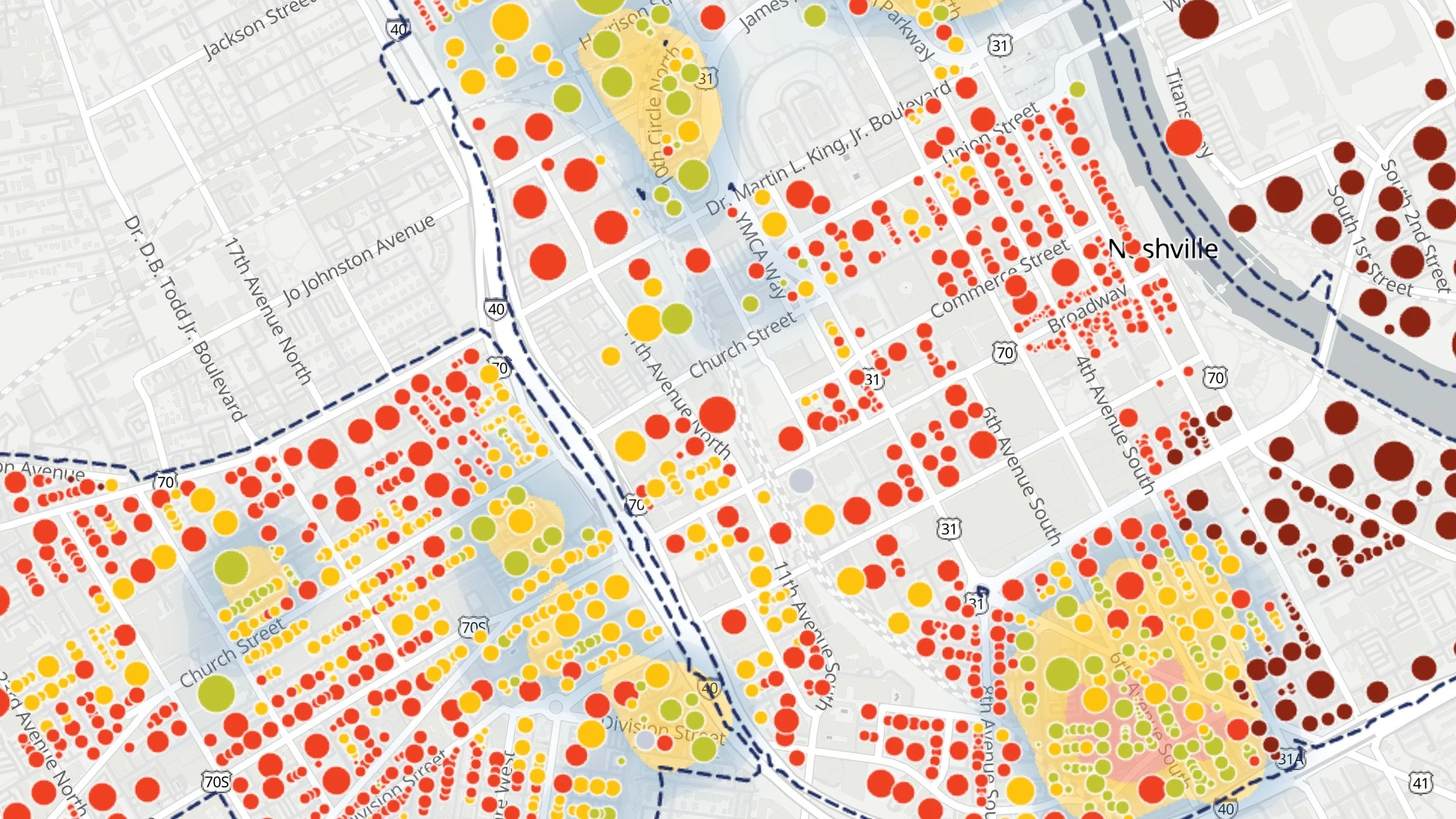
Nashville Housing & Infrastructure Study
Urban Analytics + Scenario Planning
Feasibility models for eight housing prototypes supported code changes heard by Metro Council and gave staff a tool to keep testing.